
 |
| Things
to do at Orchid Beach |
 |
| |
Swimming

Orchid Beach has some safe salt water
swimming in lagoons usually found around Waddy Point.

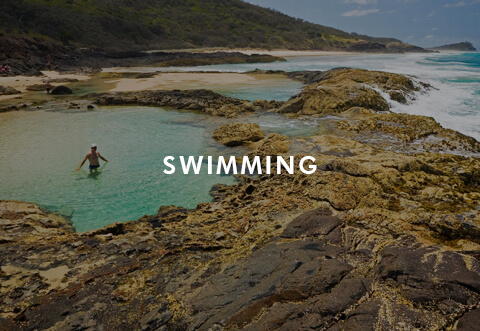
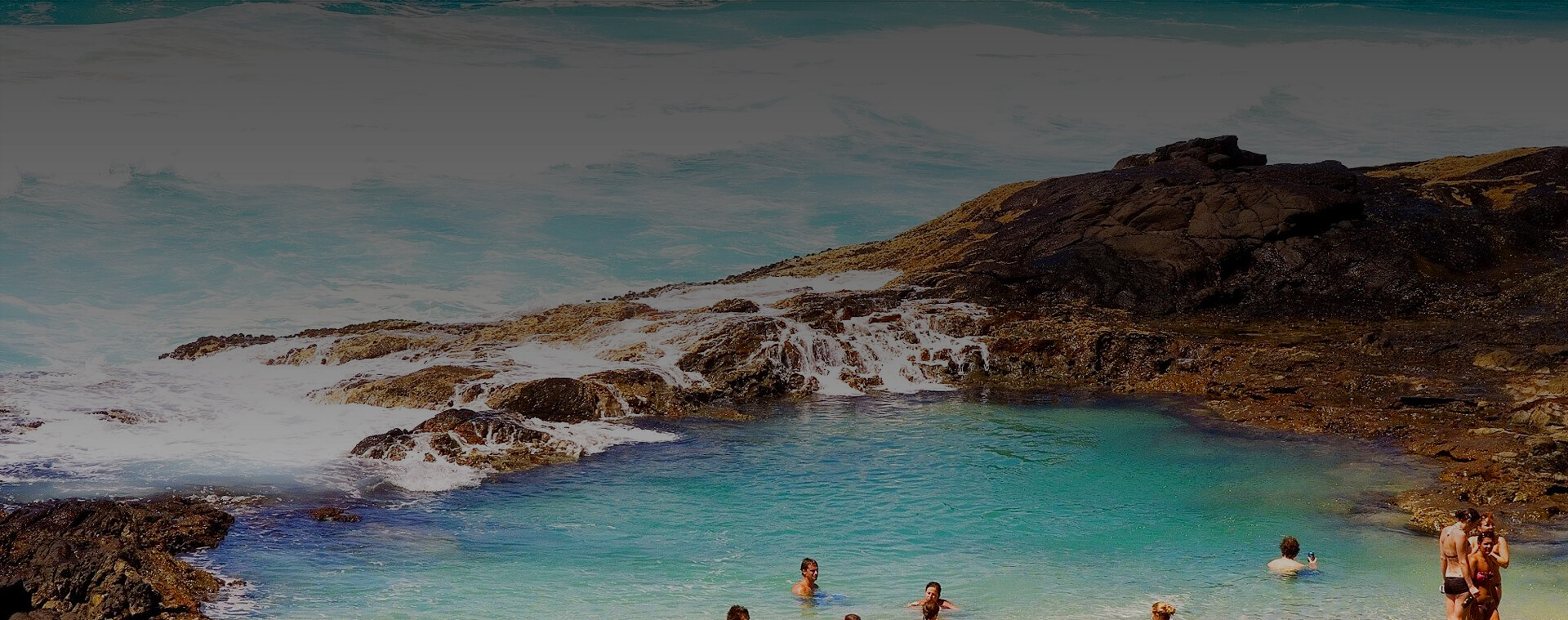
Champagne Pools are located just north
of Indian Head. This is a popular swimming spot accessible
at any tide on the main track south from Orchid Beach.
The waves crashing over the rocks into shallow sandy
pools cause the water to foam and thus the name Champagne
Pools. This normally works best at about mid tide. Exceptionally
strong currents occur on this part of the island and
swimming around the rocks is not encouraged. Sharp rocks
occur in and around the pools so caution is advised
when swimming or walking in the area.
Lakes & Creeks

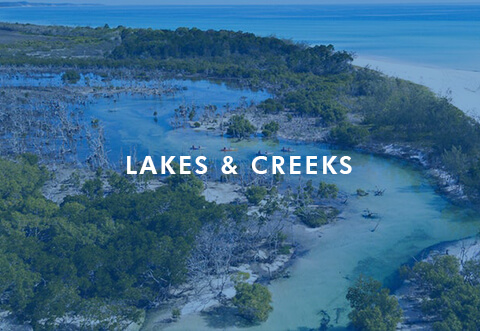
Ocean Lake. About 5 km north of Orchid
Beach is a signed track to Ocean Lake. The water in
this lake like many on the island is stained with tea
tree but safe and refreshing to swim in. Bird life abounds
on the lake. Some picnic tables and seats are provided
and this is an ideal lunch spot. There is a short 15
min walking track and a lookout adjacent to the lake.

Orange Creek. About 2km along the beach
north of the Ocean Lake track is Orange creek, its entrance
often blocked by sand dunes. It is a quiet spot away
from the beach traffic and has pleasant grassy areas
around a lagoon which is part of the Ocean Lake system.

Wathumba Creek. The western side of
the island is easily accessible and protected when the
wind direction is from the South east or East. The 16km
Wathumba track takes about 40 minutes with interesting
variations in landscape and changing flora. The west
side of the island is a mangrove area with the track
terminating at the mouth of Wathumba creek. Typically
this is a good spot for fishing for mangrove jack, bream,
whiting and mud crabs. Yabbies can be pumped at low
tide. Sandflies also live here - be prepared.
Walking

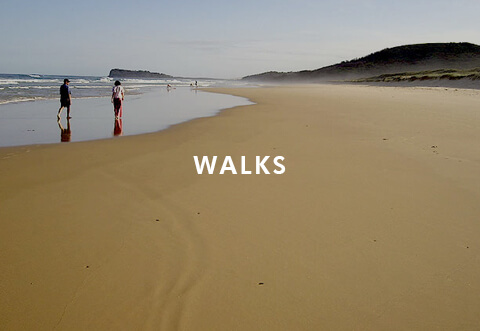
South Waddy Beach. From Waddy Point
there is a driving track over the dune to South Waddy
Beach. Access to the beach is restricted for vehicles
with no traffic allowed in a southerly direction once
on the beach. It is one of the few places on the Island
where you can walk on the beach without vehicle traffic.
An easy 30 min walk south to the end of the beach is
especially enjoyable during an afternoon northerly or
north westerly wind. Continue south over the headland
to a secluded small beach and then to the Champagne
Pools. 
North Wathumba Track. The north Wathumba
track to Platypus Bay is now accessible and open to
the public. This 10 km track leads to the magnificent
clear, calm waters of Platypus bay, with its endless
white sandy beach, a truly special place for a swim
and picnic or a walk. Whales are often sighted in the
bay.

Sandy Cape Lighthouse. If venturing
to SandyCape the walk up to the lighthouse though not
easy is well worthwhile.
Dunes

Binngih Sandblow is located between
the southern end of the Waddy Point camp ground and
Waddy Point. The top of Binngih has great views to Orchid
Beach in the North West and Waddy Point in the East.

Ocean Lake Sandblow. About 3km north
of the Orchid Beach down ramp where the first Ocean
Lake campsites begin to appear there is a walking track
leading to a vast dune sand mass. A slight gradient
allows easy walking and is well worth the effort to
the top. 
Ngulumubura Blow. Approximately 3 km
past Ngkala Rocks there is a valley with glimpses of
distinctly red sand. This is the access point to Ngulumubura
Blow. An hour’s walk will take you to the top
of the blow. The petrified forests and striking sand
formation is a remarkable feature. 
Sandy Cape Dunes. An extensive system
of dunes exists on the beach between the northern most
tip of the island and westward to the lighthouse. Constantly
changing profile and contour, they are well worth climbing
to observe the varied marine life including sharks,
rays, turtles in the clear, calm waters below.
Visit

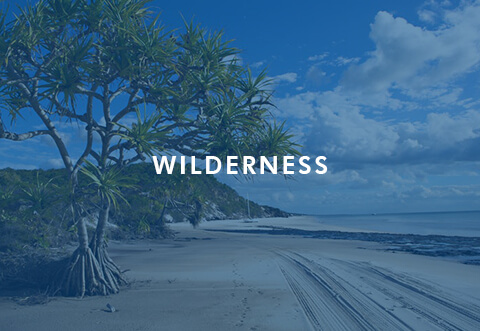
Sandy Cape. This is truly a wilderness
area on the Island and well worth the effort of getting
there. The Ngkala Rocks track can be rough, soft and
difficult as tracks on this part of the Island are not
maintained. Travel time from Orchid to the Cape can
take from 40 minutes to over an hour depending on track
conditions. At certain times it is not possible to access
the Cape. Safety is of the utmost consideration for
this trip as beach conditions change dramatically. Consider
tide times and for a safe trip aim to be back at Ngkala
well before mid tide. 
Wathumba Creek. The western side of
the island is easily accessible and protected when the
wind direction is from the South east or East. The 16km
Wathumba track takes about 40 minutes with interesting
variations in landscape and changing flora. The west
side of the island is a mangrove area with the track
terminating at the mouth of Wathumba creek. Typically
this is a good spot for fishing for mangrove jack, bream,
whiting and mud crabs and yabbies can be pumped at low
tide. Sand flies also live here - be prepared.
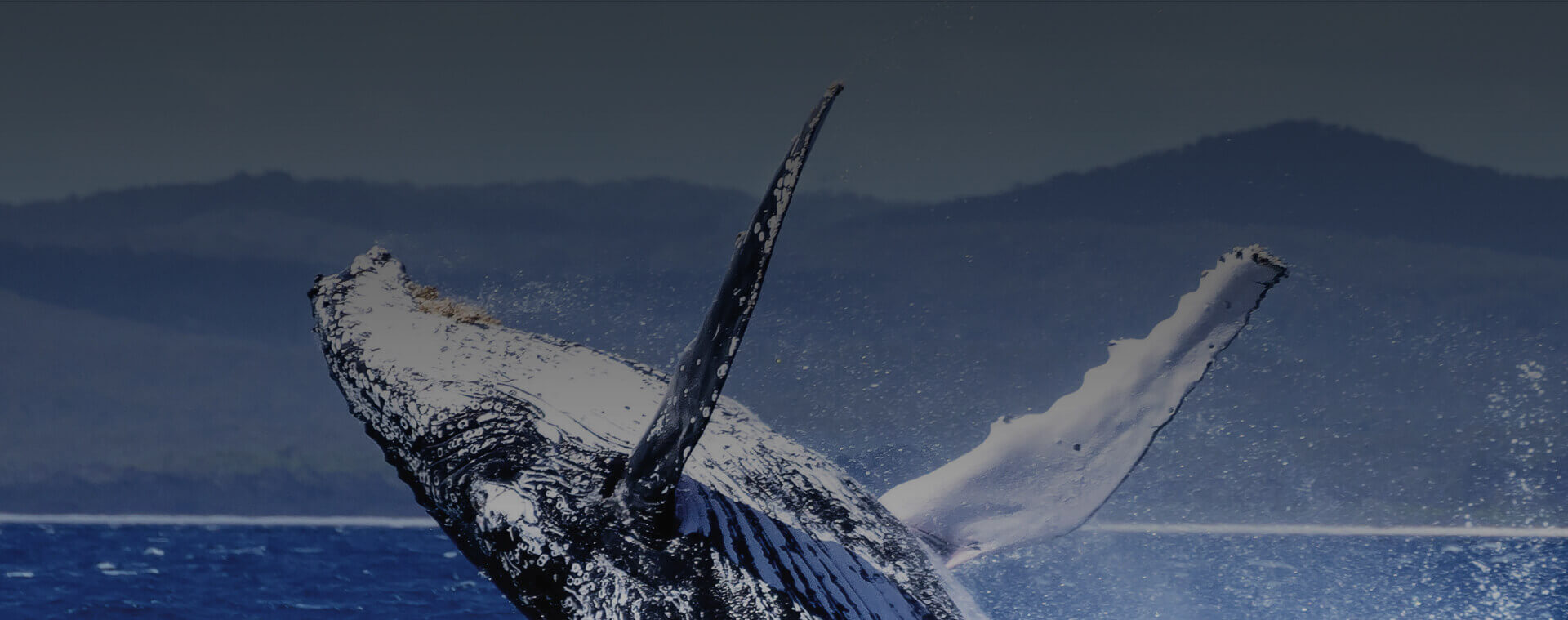
Whale watching

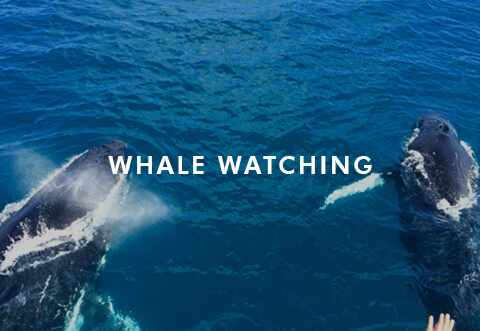
Fraser Island provides an opportunity
to experience one of the regions natural wonders - the
migrating humpback whale. Between July and November
every year thousands of humpback whales travel from
Antarctica along the east coast of Australia to give
birth in the warm waters of Northern Queensland.
On their return migration they stop to rest and play
and nurture their calves in the calm waters of Hervey
Bay. Platypus Bay, accessed by the Wathumba Creek track,
on the western side and in the protected lee of Fraser
Island is a good observation spot. The whales are also
often sighted off Waddy Point and in Marloo Bay just
offshore from Orchid Beach.
Fishing

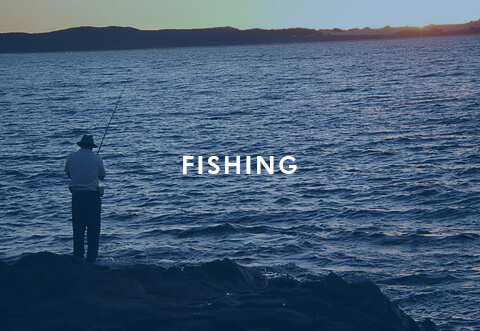
The annual Tailor fishing season is
from June to December when enormous schools of fish
migrate to spawn between the island's only rock headlands,
Indian Head and Waddy Point. During the feeding frenzy
large numbers of fish are caught by beach fisherman
all along the ocean beach. Size and bag limits now apply
to catches of Tailor. The largest Tailor, up to 5kg,
are caught here later in the season. Other varieties
caught in good quantity include Dart, Flathead, Bream,
Mackerel and Whiting. Although fishing on and between
the headlands is closed for all August and September,
to leave spawning fish undisturbed and to protect this
unique resource, all other beaches are open to fishing
and yield good catches.
Crabbing

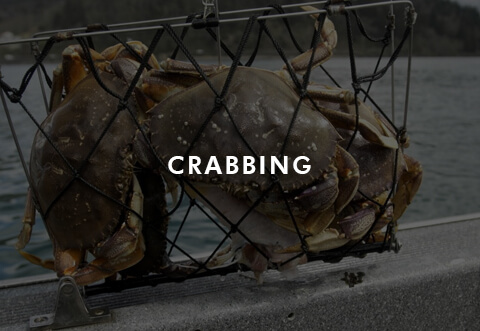
The western side of Fraser Island contains
extensive mangrove creeks where good catches of mud
crabs are possible. Size, gender (only males can be
taken) and bag limits apply to catches. |
| |
|
|
|
|
|
|